A thorough but approachable lesson on JavaScript expressions excerpted JavaScript For Everyone, a complete online course offered by our friends at Piccalilli.
Honeypots are fields that developers use to prevent spam submissions. They still work in 2025. But you got to set a couple of tricks in place so spambots can’t detect your honeypot field.
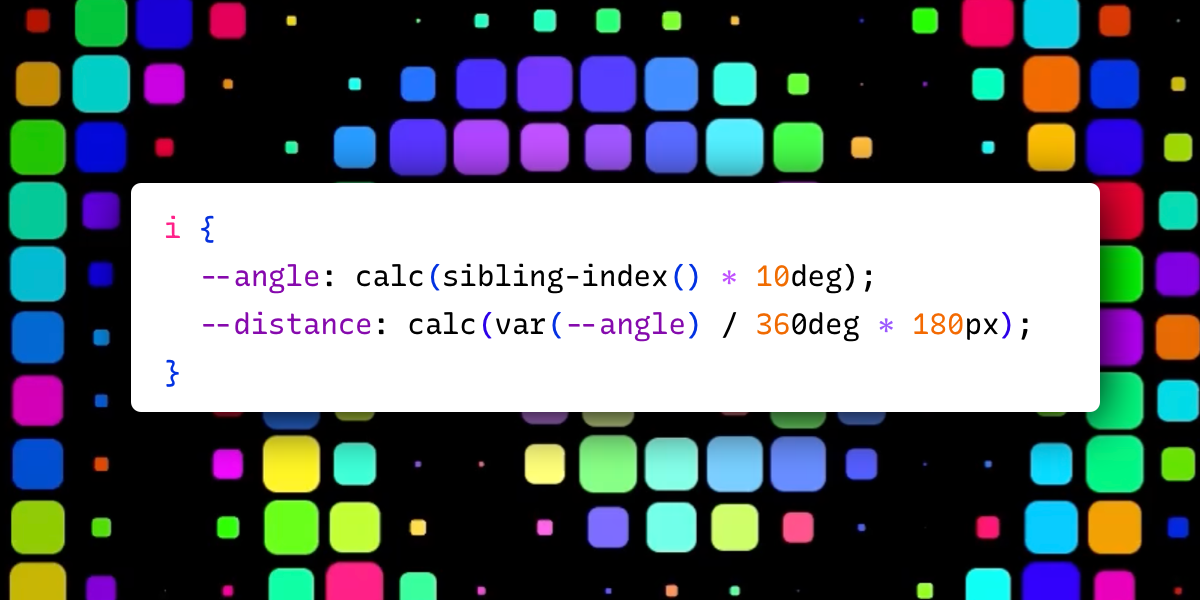
Let’s suppose you have N elements with the same animation that should animate sequentially. Modern CSS makes this easy and it works for any number of items!
What can CSS Masonry discussions teach us about the development of new CSS features? What is the CSSWG’s role? What influence do browsers have? What can learn from the way past features evolved?
There are so many creative opportunities for using shape-outside that I’m surprised I see it used so rarely. So, how can you use it to add personality to a design? Here’s how I do it.
Naturally, everything looks like code when I’m staring at a blank canvas. That’s whether the canvas is paper, a screen, some Figma artboard, or what have you.
Starting in Chrome 140, we’ll be able to calculate numeric values with mixed data types. Sounds small, but Amit demonstrates how big a deal this is, calling it Computational CSS.
Many of the Sass features we’ve grown to love have made their way into native CSS in some shape or form. So, should we still use Sass? This is how developer Jeff Bridgforth is thinking about it.
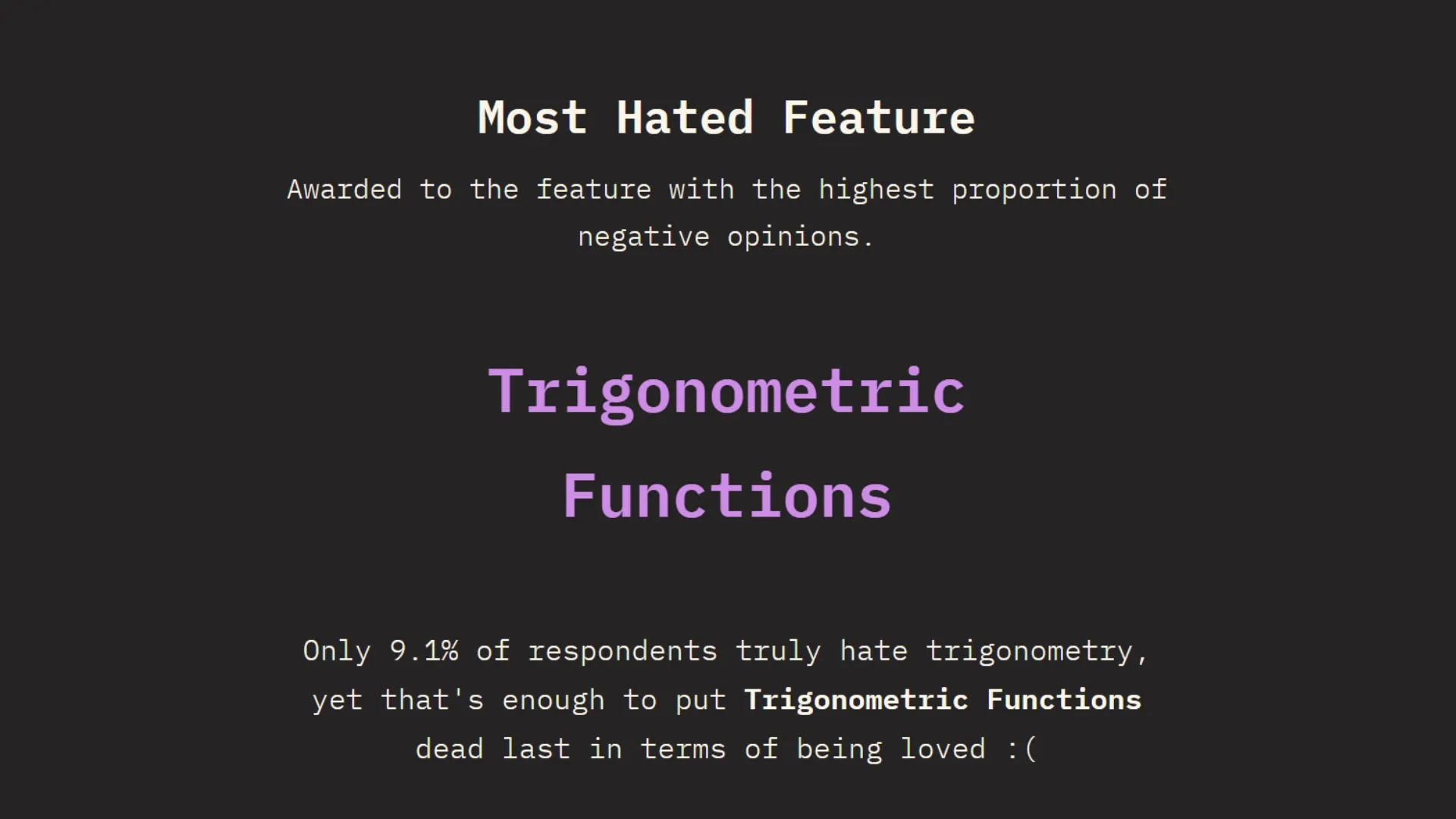
I want to look at practical uses for CSS trigonometric functions. And we’ll start with what may be the most popular functions of the “worst” feature: sin() and cos().
CSS is a composable language by nature. This composition nature is already built into the cascade. We simply don’t talk about composition as a Big Thing because it’s the nature of the language.
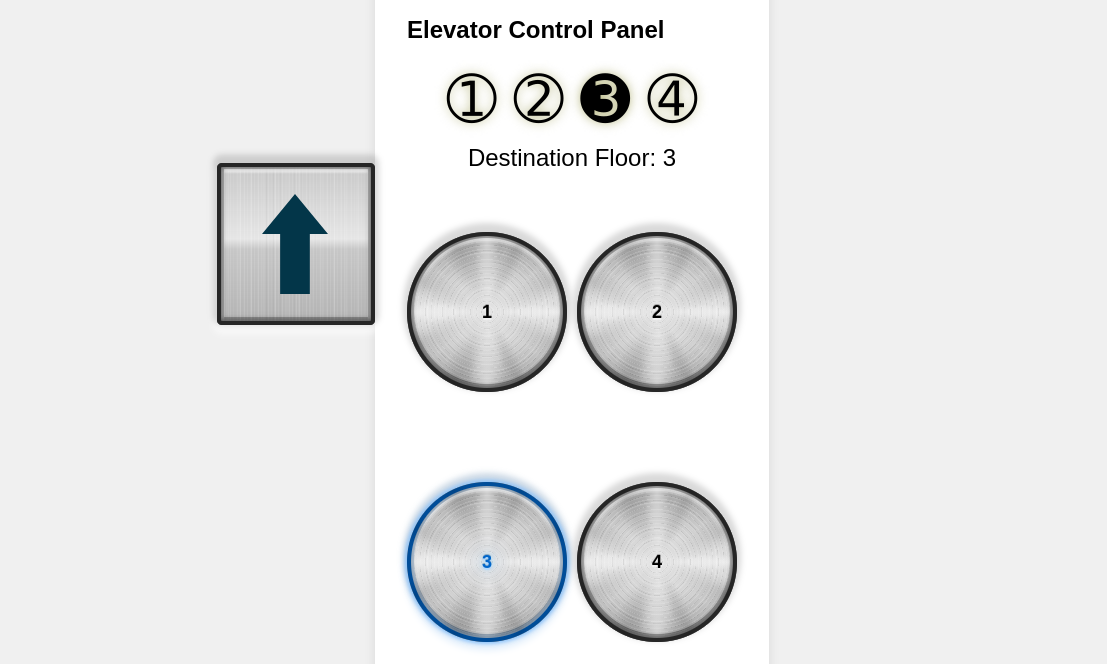
In this article, author Chris Sabourin walk through how modern CSS features can build a fully functional, interactive elevator that knows where it is, where it’s headed, and how long it’ll take to get there. No JavaScript required.
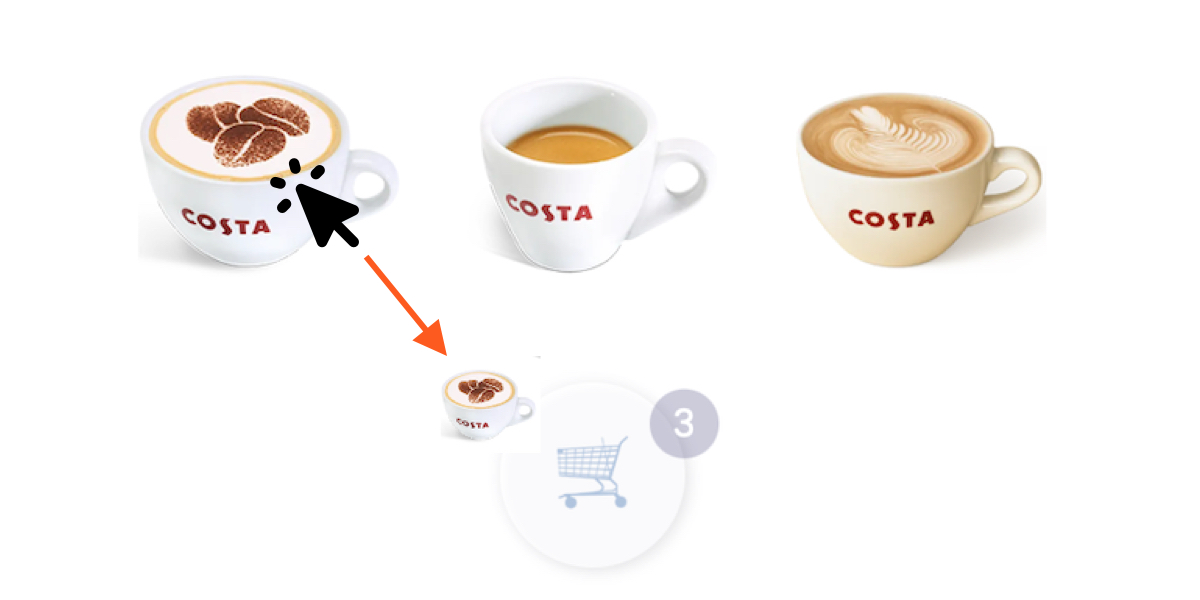
Here’s an approach for animating products added to a shopping cart that handles an infinite number of items using a variation of the ol’ Checkbox Hack.
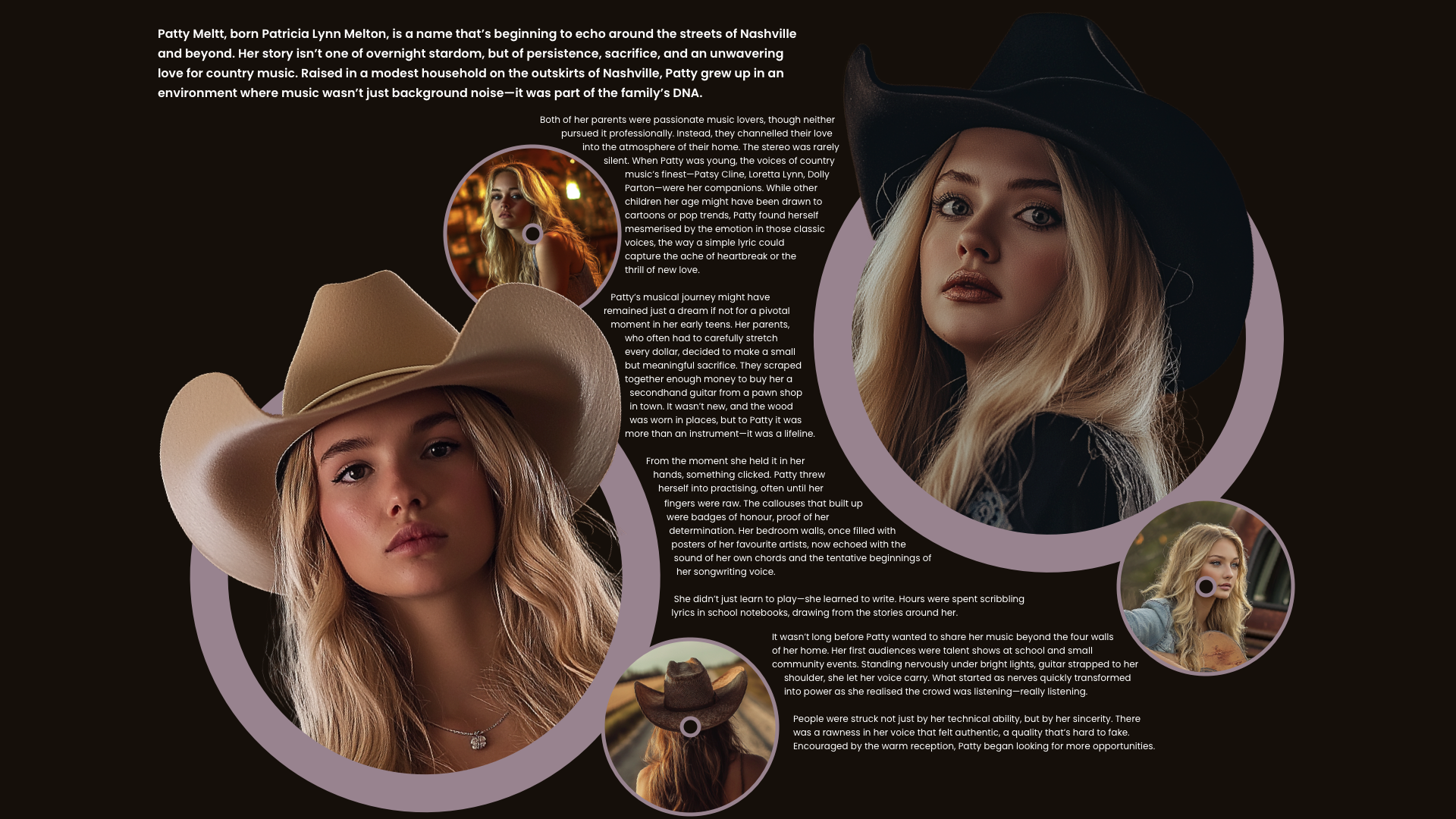
Images in long-form content can (and often should) do more than illustrate. They help set the pace, influence how readers feel, and add character that words alone can’t always convey.
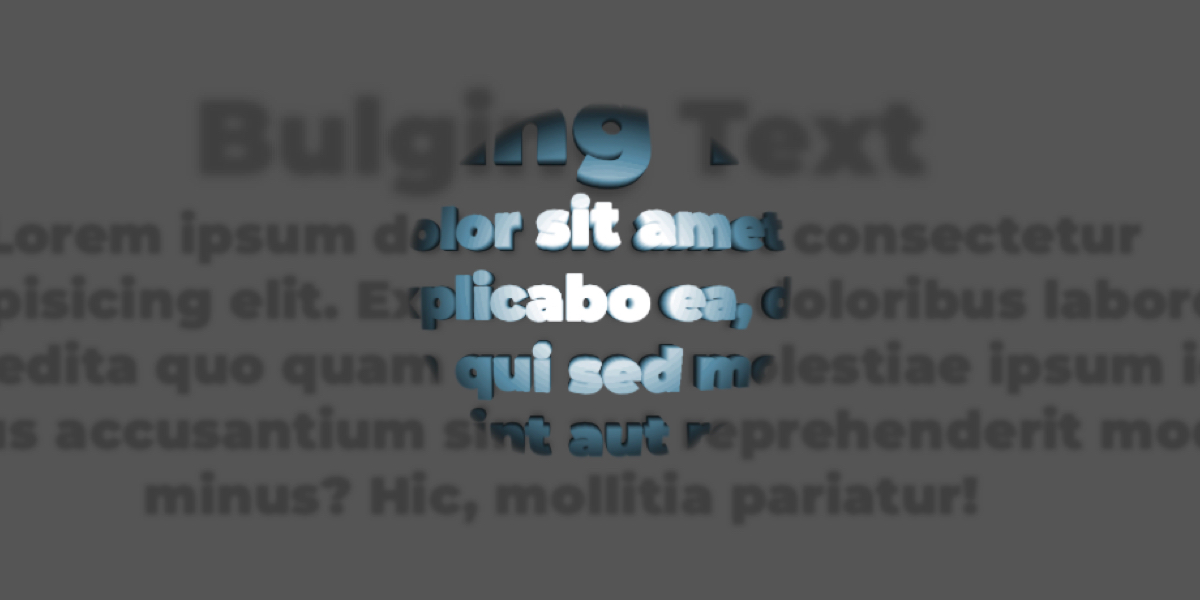
In this third and final chapter, we’re stepping into interactivity by adding JavaScript, starting with a simple :hover effect, and ending with a fully responsive bulging text that follows your mouse in real time.
In this chapter, we will explore ways to animate the effect, add transitions, and play with different variations. We will look at how motion can enhance depth, and how subtle tweaks can create a whole new vibe.

 css-tricks.com